Visualizing various types of data

Lecture 3

Dr. Benjamin Soltoff

Cornell University
INFO 2951 - Spring 2026

January 27, 2026

Announcements

Announcements

Learning objectives

  • Generate statistical graphs using the grammar of graphics and {ggplot2}
  • Evaluate different types of geometric objects applied to the same variables
  • Modify visual scales to improve readability of charts

Coding style + workflow

Air formatter

Repositories cloned in Positron are automatically configured to use Air, an R code formatter.

  • Use the {tidyverse} style guide

  • Avoid long lines of code

    • We should be able to see all of your code in the PDF document you submit.
    • Do not rely on automatic line wrapping. It is not consistent.
  • Label code cells

    • Do not put spaces in the code cell labels.
  • Render, commit, and push regularly

    • Think about it like clicking to save regularly as you type a report

Warm up

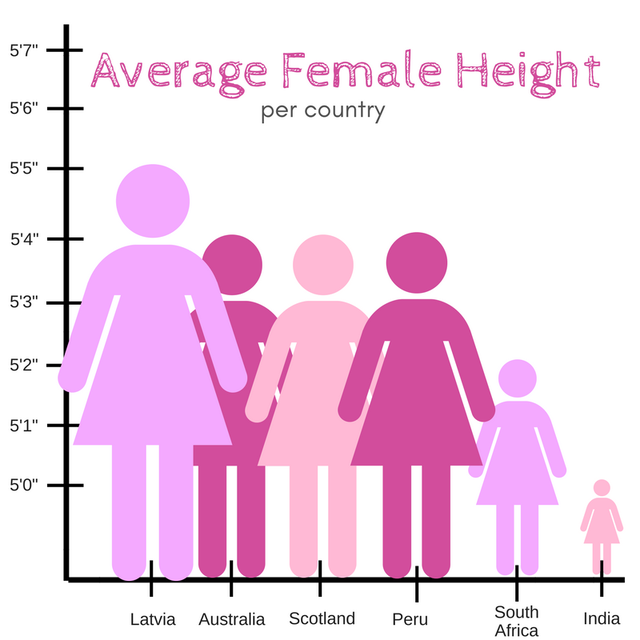
Revisiting average heights

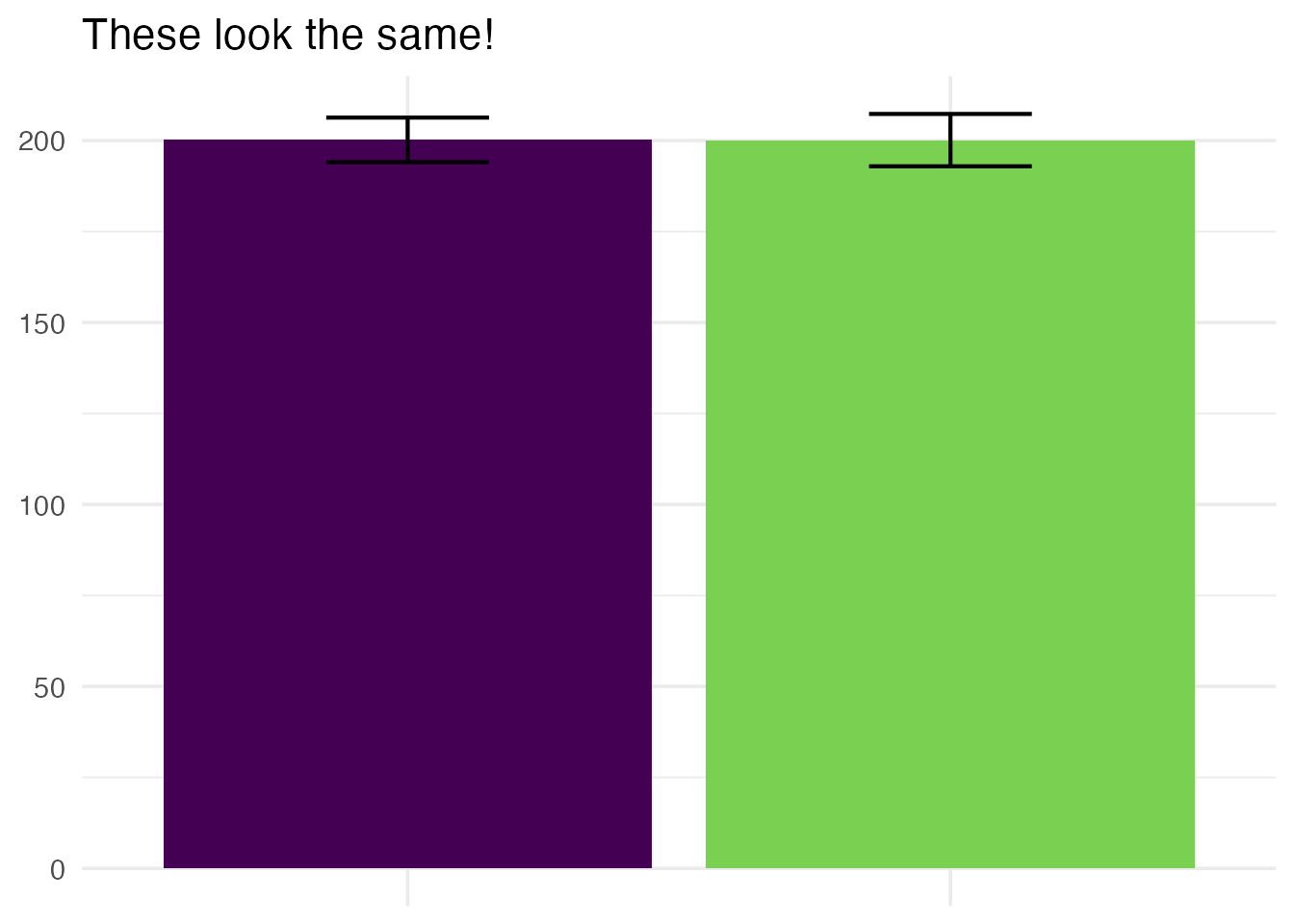
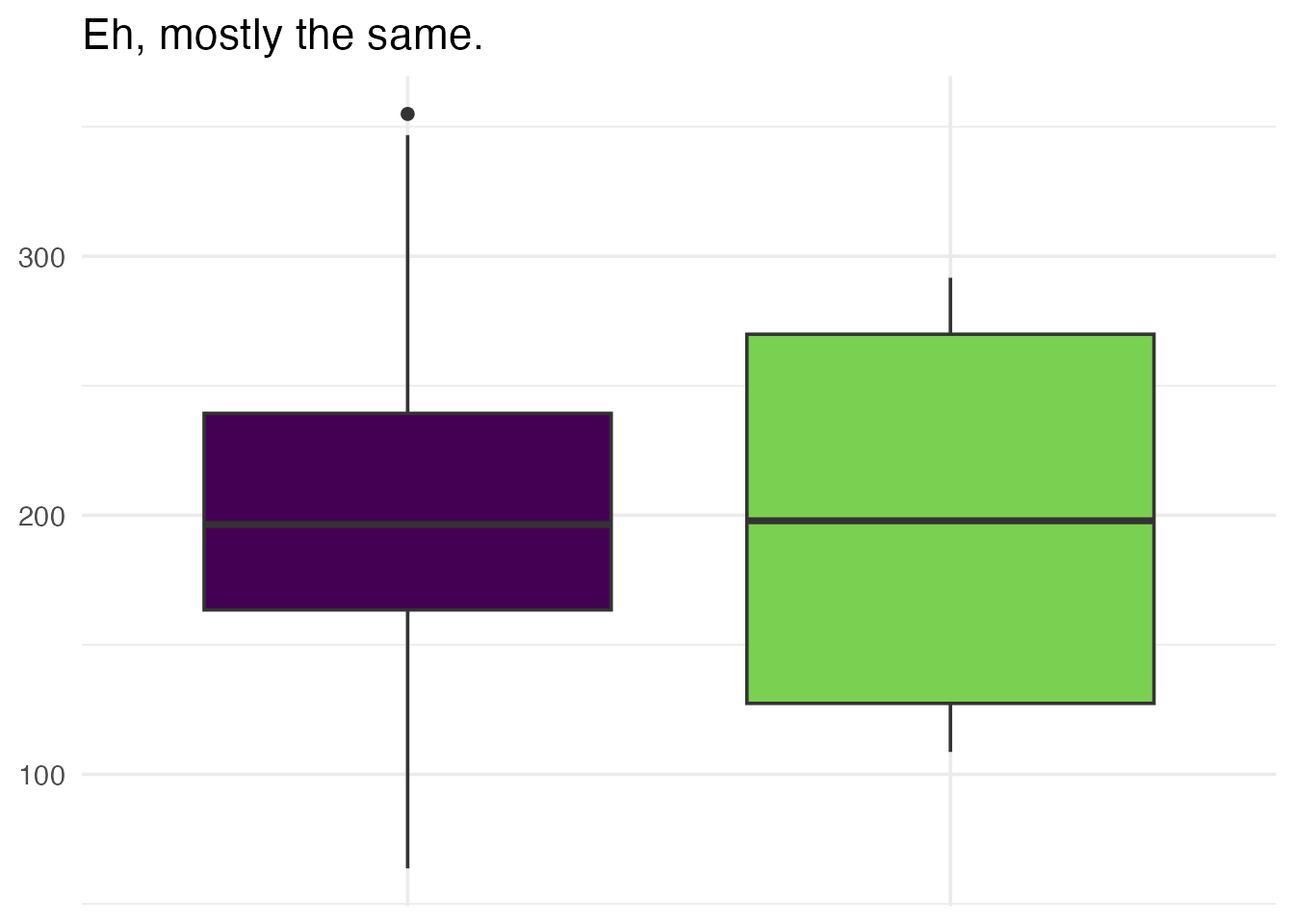
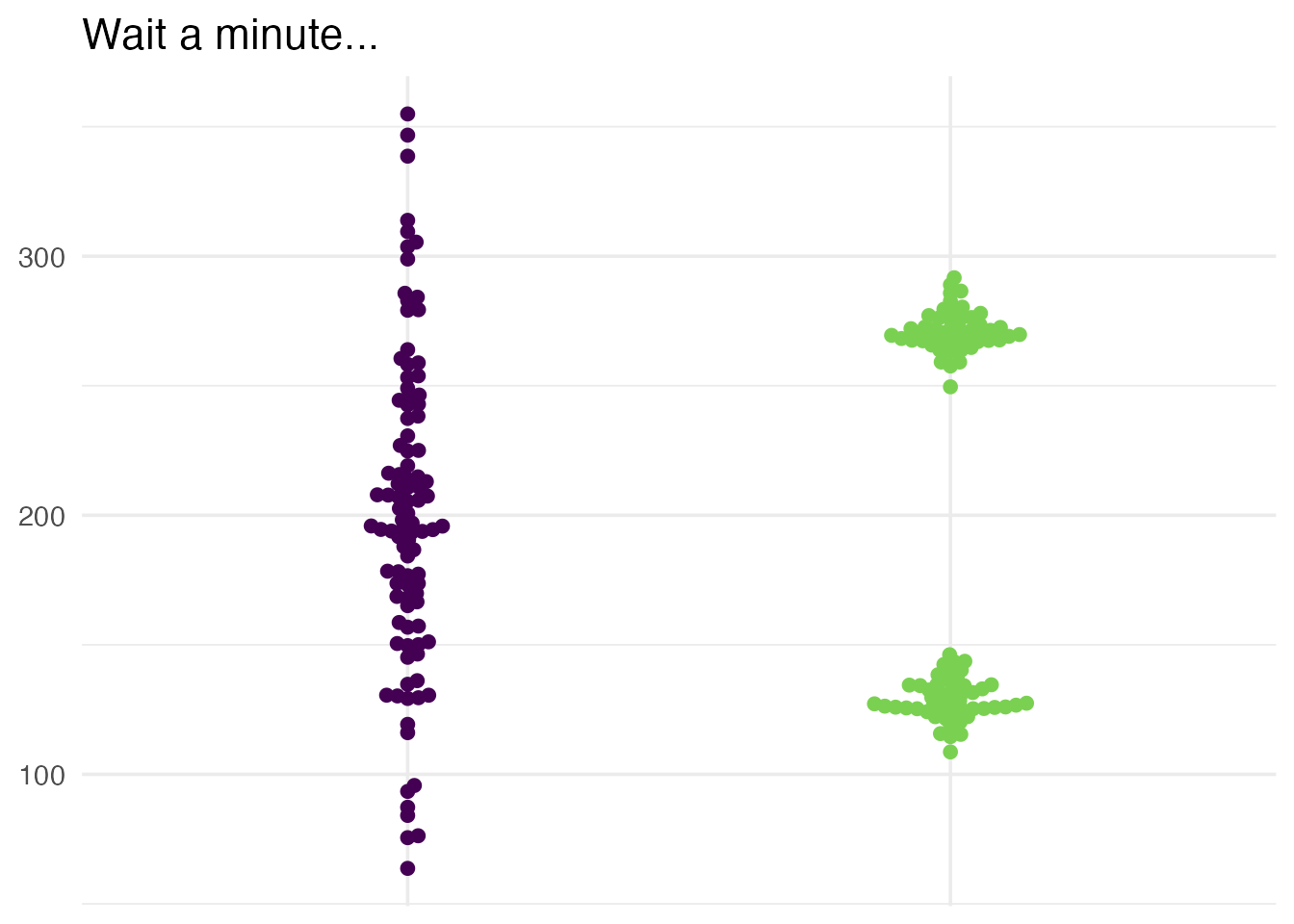
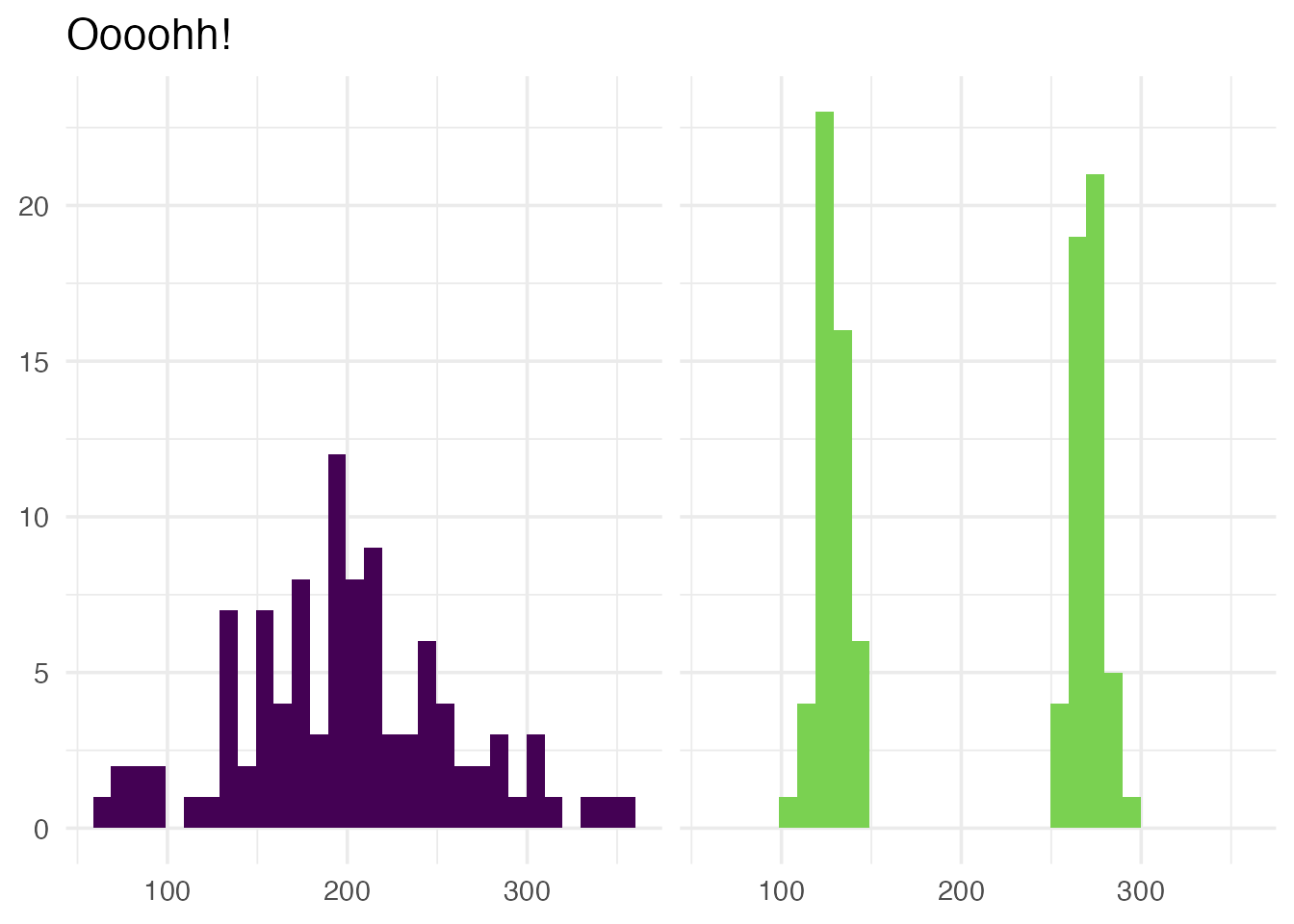
The way data is displayed matters

What do these plots show?

Application exercise

Lee Corso wearing the Duke Dog mascot's head waving whilst scaring a bulldog sitting on a desk.

ae-01

Instructions

  • Go to the course GitHub org and find your ae-01 (repo name will be suffixed with your GitHub name).
  • Clone the repo in Positron, run renv::restore() to install the required packages, open the Quarto document in the repo, and follow along and complete the exercises.
  • Render, commit, and push your edits by the AE deadline – end of the day

Wrap up

Recap

  • Pick geoms based on data types
  • Set appropriate binwidths for histograms
  • Turn off legends when they provide redundant information
  • Create plots with multiple geoms, and pay attention to order